How to Design a Moveable Garden: Top 3 Creative Tips
How to Design a Moveable Garden: Top 3 Creative Tips
Are you dreaming of a vibrant, lush garden even if you're tight on space or always on the move? Moveable gardens--also known as portable gardens or mobile gardens--are the brilliant solution you've been searching for! Whether you live in a rented apartment, have limited outdoor space, or just love flexibility, learning how to design a moveable garden can transform your home's aesthetics and functionality.
In this comprehensive guide, you'll discover how to create a moveable garden step by step, uncovering the best creative tips, must-know tricks, and efficient strategies to maximize your mobile garden's impact. Let's dive right in and unlock the secrets to growing your green haven--anywhere, anytime!
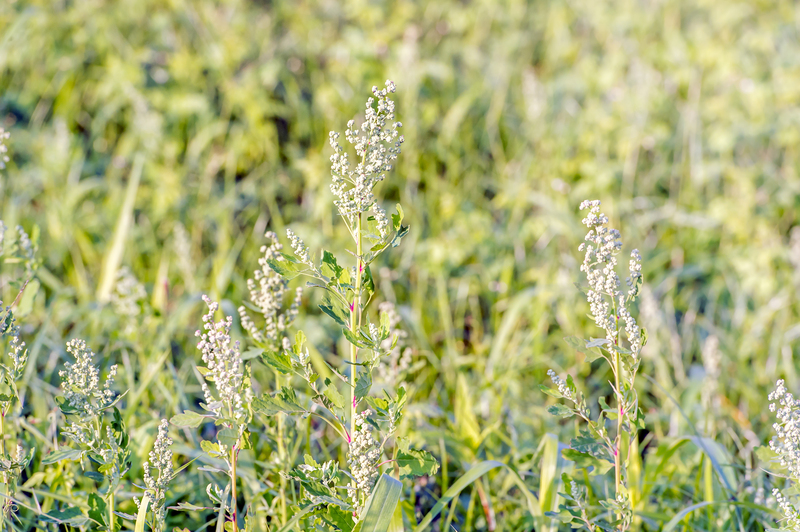
What Is a Moveable Garden?
A moveable garden refers to a versatile gardening arrangement designed for mobility. Unlike traditional gardens rooted directly into the ground, moveable gardens utilize portable containers, raised beds on wheels, or even lightweight structures. This way, you can shift your garden with the changing seasons, sunlight, or your own move to another home.
- Perfect for renters and urban dwellers
- Easily adapts to changing climates and sunlight
- Boosts flexibility for garden layouts and renovations
Ready to get started? Here are the top three creative tips to guide you toward the perfect moveable garden design.
Tip 1: Choose Versatile and Lightweight Containers
The foundation of any exceptional portable garden lies in its containers. Not all pots and planters are created equal--especially when mobility is paramount! Selecting the right containers ensures your moveable garden thrives from season to season, regardless of your next destination.
Key Features of Ideal Moveable Garden Containers
- Lightweight Materials: Plastic, resin, and fabric grow bags are much lighter than traditional ceramic or terracotta. They're simple to relocate, even when fully planted.
- Integrated Handles or Wheels: Some modern gardening containers come with built-in handles or sturdy wheels, making them ultra-portable and user-friendly when rearranging or transporting.
- Stackable or Modular Designs: Optimize vertical space with stackable planters, allowing you to maximize your gardening area, especially on balconies, patios, or small yards.
- Good Drainage: Ensure drainage holes are present to prevent root rot and promote plant health, especially since portable containers are more susceptible to drainage issues.
Don't be afraid to get creative! Upcycle wooden crates, vintage suitcases, or unused storage bins into unique plant pots. Personalizing your containers gives your moveable garden character and personal flair, while reducing waste.
Insider Tip:
Try self-watering containers if you want low-maintenance, hassle-free gardening; these are widely available in lightweight forms and can significantly ease relocation.
Tip 2: Plan for Mobility with Smart Plant Selection
Once you have the perfect containers, the next vital step in designing a portable garden is choosing plants that thrive in a mobile setup. Some plants adapt better to shifting light conditions, frequent movement, or confined root space than others.
Best Plant Varieties for Moveable Gardens
- Herbs: Basil, parsley, rosemary, mint, and chives grow well in containers and can handle frequent repotting and relocation.
- Leafy Greens: Spinach, lettuce, arugula, kale, and Swiss chard flourish in portable raised beds or pots.
- Compact Vegetables: Cherry tomatoes, peppers, radishes, bush beans, and baby carrots don't require vast root systems, making them ideal for containers.
- Dwarf Fruit Varieties: Dwarf blueberry bushes, strawberries, or mini fruit trees are both attractive and productive choices for a moveable edible garden.
- Flowers and Pollinator Attractors: Marigolds, nasturtiums, petunias, and calendula not only add color but also support local pollinators.
- Succulents and Houseplants: Perfect for indoor or semi-shaded outdoor movable gardens, succulents and houseplants are hardy and need minimal soil.
How to Arrange Plants in Your Mobile Garden
- Mix heights and colors for visual appeal: Include taller plants at the center or back, with trailing or shorter species toward the edges.
- Group plants by care requirements: For smooth maintenance, cluster together plants that need similar amounts of sunlight, water, and nutrients.
- Leave space for airflow and movement: Avoid overcrowding your containers. Adequate spacing encourages healthy growth and makes relocating easier.
Pro Tip: Label your containers with plant names, care instructions, and preferred light conditions; it saves guesswork and helps you keep track when moving them around.
Tip 3: Design for Flexibility, Functionality, and Aesthetics
A moveable garden is more than a collection of pots--it's a dynamic, living feature of your home. When planning your mobile garden layout, consider how you'll use the space, how often you'll need to move the planters, and what kind of visual impact you'd like to achieve.
Layout and Organization Tips
- Use Rolling Plant Caddies: For larger containers, invest in rolling platforms or dollies to make shifting your garden effortless.
- Create Zones: Dedicate sections for edibles, ornamentals, or even seasonal displays. Use modular racks or shelving for compact vertical gardening.
- Maximize Sun Exposure: Arrange containers so plants get appropriate sunlight. Rotating your movable plants throughout the day or seasonally can boost growth and blooms.
- Employ Vertical Elements: Incorporate trellises, hanging baskets, or wall-mounted planters to utilize unused vertical space--making your moveable garden as lush as possible even in small areas.
- Incorporate Water Features or Decorative Accents: Mini fountains, pebbles, and colorful pots keep things lively and inviting.
Design for Frequent Changes
A key benefit of mobile gardens is adaptability. Arrange your containers so they can be moved in response to:
- Changing sunlight patterns with the seasons
- Protecting sensitive plants from storms or frost
- Reconfiguring your garden for parties or events
- Your own relocation to a new home or apartment
Seasonal tip: Use tiered shelving with casters or rotating tables, so you can alter your garden's design and function with minimal effort.
Maintaining Your Moveable Garden: Practical Advice
Now that you're armed with creative design strategies, let's keep your portable garden thriving. Here's what you need to know to ensure longevity and beauty:
- Check for Root Bound Plants: Mobile containers can limit root expansion. Repot your plants periodically to avoid stunted growth.
- Monitor Soil Moisture and Drainage: Check frequently, as containers can dry faster than in-ground beds. Amend soil with organic matter for moisture retention.
- Regular Feeding: Fertilize every few weeks, since nutrients are washed out more quickly in moveable containers.
- Clean and Inspect Containers: Prevent pest and disease build-up by cleaning pots and checking for cracks or drainage issues before every replanting.
- Keep Tools Handy: Use a portable gardening tote for pruners, gloves, and watering cans, making it easy to care for your garden wherever it moves.
Moveable Garden Inspiration: Creative Ideas from Around the World
For more inspiration, look to international trends and urban gardening pioneers:
- Balcony and Rooftop Gardens: From New York City to Tokyo, micro-gardeners use rolling crates, wheeled trellis systems, and stackable pots to transform rooftops into green sanctuaries.
- Pop-Up Community Gardens: In Berlin and London, entire community gardens are built on platforms or pallets, making it possible to relocate collective plots for events or redevelopment.
- Tiny Homes and RV Living: Mobile dwellers often use suction cups for window-mounted herb gardens, hanging baskets, or collapsible planters to keep their green thumbs active on the go.
Fun Fact: The trend of designing a movable garden isn't just practical--it's also eco-friendly, reducing urban heat, providing habitat for pollinators, and increasing local food security wherever you are!
Frequently Asked Questions: Moveable Gardens
How do I know what size containers to use?
Choose containers sized to fit the mature plant's root ball. For herbs or small flowers, 6 to 8 inch pots work well. For vegetables or dwarf fruit trees, opt for 12 to 18 inch containers.
Can I use recycled materials for my portable garden?
Absolutely! Upcycled totes, buckets, crates, and even old furniture can become unique, eco-conscious plant homes--as long as drainage and material safety are addressed.
Which plants travel best if I move often?
Resilient plants like succulents, herbs, and compact leafy greens handle moving well. Avoid transplant-sensitive species and large-rooted perennials in a highly mobile setup.
How do I water my moveable garden?
Portable gardens usually require more frequent watering, especially in warm weather. Consider grouping water-needy plants together and using self-watering systems or drip irrigation kits for convenience.
Conclusion: Bring Flexibility and Beauty into Your Life With a Moveable Garden
Creating a moveable garden doesn't just add greenery to your life--it gives you the freedom to garden on your own terms, wherever your journey takes you. By choosing lightweight containers, selecting adaptable plants, and designing with flexibility in mind, you can enjoy lush, blooming beauty every day, even in small or temporary spaces.
Whether you're a city dweller, a frequent mover, or just someone seeking more control over their garden space, these top 3 creative tips provide a practical, inspiring roadmap to designing the best portable garden for your needs. Happy gardening!
- Lightweight, functional containers make mobility easy
- Plant smart for continual color, harvest, and display
- Design for versatility--you'll love the freedom and creative expression
Start your moveable garden today and experience the future of flexible, flourishing home gardening!