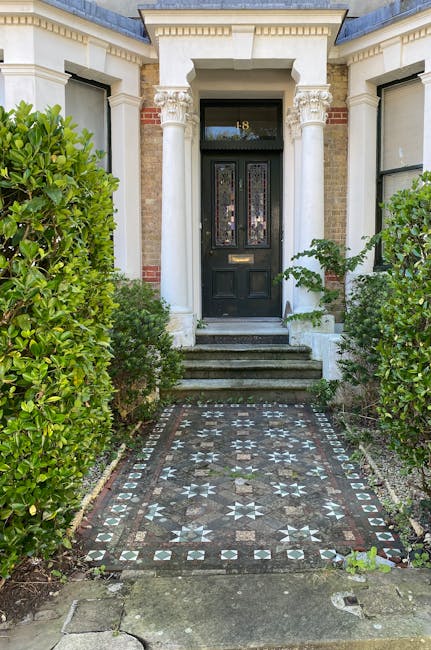
Golders Green Road front garden ideas for NW11 properties gardeners
If you live along Golders Green Road or nearby NW11 streets, the front garden does more than "look nice". It sets the tone for the whole property, frames the entrance, and quietly handles practical jobs like drainage, privacy, and day-to-day upkeep. The best Golders Green Road front garden ideas for NW11 properties gardeners are not just decorative; they work with the way London homes are used, parked outside, walked past, and maintained through wet winters and dry spells. This guide breaks the topic down properly, from layout and planting to maintenance, safety, and sensible material choices.
Whether you want a neat low-fuss frontage, a greener soft-landscaped entrance, or a more polished approach that suits a period house or a modern build, you'll find a clear route here. And yes, you can keep it practical without making it boring. That's the trick, really.
Table of Contents
- Why Golders Green Road front garden ideas for NW11 properties gardeners matters
- How Golders Green Road front garden ideas for NW11 properties gardeners works
- Key benefits and practical advantages
- Who this is for and when it makes sense
- Step-by-step guidance
- Expert tips for better results
- Common mistakes to avoid
- Tools, resources and recommendations
- Law, compliance, standards, or best practice
- Options, methods, or comparison table
- Case study or real-world example
- Practical checklist
- Conclusion
- Frequently asked questions
Why Golders Green Road front garden ideas for NW11 properties gardeners Matters
Front gardens in NW11 tend to face a familiar mix of pressures: street visibility, limited space, foot traffic, parked cars, drainage issues, and the need to keep things looking tidy without living outside with a pair of shears every weekend. On Golders Green Road, that matters even more because the frontage is often the first thing people notice from the pavement. If the front garden feels cluttered or neglected, the whole property can seem tired even when the house itself is in good shape.
Good front garden design is about balance. You want a welcoming entrance, but not a fussy one. You want greenery, but not a high-maintenance jungle that needs a full morning of pruning every other week. You want structure, because structure gives the eye somewhere to rest. In our experience, the most successful front gardens in this part of London are the ones that quietly do their job: clean lines, healthy planting, sensible access, and materials that don't look shabby after a single wet winter.
There's also a local lifestyle point here. NW11 homeowners often need front gardens that work around school runs, deliveries, bins, bikes, and regular comings-and-goings. So the best ideas are not just pretty in a photo. They should still look smart on a damp Tuesday morning in March. That's the real test.
Expert summary: The strongest front garden ideas for Golders Green Road and wider NW11 properties combine curb appeal, easy upkeep, and practical access. If one of those three is missing, the design usually starts to feel fragile pretty quickly.
How Golders Green Road front garden ideas for NW11 properties gardeners Works
At heart, a front garden design process follows a simple sequence: understand the space, decide what the garden needs to do, then choose plants and materials that suit both the property and the amount of maintenance you're willing to do. Sounds straightforward. It often isn't, because small spaces exaggerate every decision. A path that is 15 cm too narrow feels awkward. A hedge planted too close to a wall becomes a headache. One overlarge shrub can make a neat frontage look crowded.
For NW11 properties, the starting point is usually a practical audit. Is the front garden open to the street? Is privacy important? Do you need somewhere for wheelie bins, bikes, or a buggy? Is there a slope? How much light does it get? These details affect everything, from the plants that will survive to whether a professional landscaping plan is needed to get levels, borders, and access right.
The "works" part also includes maintenance design. A front garden that looks lovely in April but falls apart by July has not actually solved the problem. Choosing slow-growing shrubs, manageable edging, and clear boundaries keeps the garden presentable for longer. If the front garden is already overgrown, a tidy reset through garden clearance can make the redesign much easier to see and plan around. A clean slate helps, truth be told.
In practical terms, the design usually falls into one of three styles:
- Low-maintenance modern - structure, gravel, simple planting, and hard edges.
- Soft planting-led - layered shrubs, pollinator-friendly plants, and a greener feel.
- Traditional smart frontage - lawn, borders, clipped hedging, and a classic entrance path.
All three can work beautifully. The right one depends on the property and your tolerance for upkeep. Let's face it, not everyone wants to deadhead flowers every evening with a cup of tea.
Key Benefits and Practical Advantages
A well-designed front garden delivers more than a pleasing first impression. It can make daily life easier and reduce the amount of reactive maintenance you need later. That is often where the best value lies.
- Better street appeal - a tidy frontage makes the whole property feel cared for.
- Clearer access - paths, steps, and entry points become easier to use.
- Less maintenance stress - the right planting reduces constant trimming and rescue jobs.
- Improved privacy - carefully placed hedging or planting can soften views from the road.
- More useful space - even a small front garden can store bins neatly or define a front path.
- Longer-lasting presentation - structured planting and edging tend to age more gracefully than patchy, improvised layouts.
There's also a psychological benefit people often overlook. A neat front garden makes arriving home feel calmer. It sounds minor, but if you've ever pulled up outside a house where the path is clear, the border is sharp, and the planting is in proportion, you'll know what I mean. It just feels sorted.
For busy NW11 households, that matters. A front garden that holds its shape through the seasons reduces the "we really should deal with this" feeling every time you come back from work. Small win, but a real one.
Who This Is For and When It Makes Sense
This topic is especially relevant if you own or manage a property on or near Golders Green Road and want the front garden to look intentional instead of left to chance. It suits people who are planning a refresh, preparing a home for sale or letting, or simply trying to make a frontage more usable and less awkward.
It also makes sense if your front garden is currently suffering from one of the usual issues:
- patchy lawn with bare soil at the edges
- shrubs that have outgrown the space
- an entrance that feels too narrow or hidden
- soil that dries too quickly or stays soggy after rain
- front beds that look attractive for one month and messy for the next
- an area that needs tidying but you're not sure where to start
If that sounds familiar, you're not alone. Front gardens are often treated as "small jobs" until they become annoying enough to be all you can see. That's where a proper plan helps. A good gardener or landscaper can turn a vague wish like "make it smarter" into a working layout, with the right mix of planting, structure, and maintenance.
It's also worth saying that front gardens are not always about creating more plant life. Sometimes the best answer is simplifying what is already there. Less clutter, fewer species, cleaner lines. Sometimes less really is more.
Step-by-Step Guidance
If you want a front garden that works properly, start with the space and not with the plant list. That may sound obvious, but plenty of people buy shrubs first and then try to make them fit. Usually backwards. Here's the better route.
1. Assess the front garden in daylight
Walk outside in the morning and again late afternoon if you can. Notice where the light falls, where water sits after rain, and how people naturally move from gate to door. You'll often spot the real problems in about 60 seconds. A slightly sloping path, a dark corner, or a hedge blocking sightlines can all shape the final design.
2. Decide on the main job
Ask yourself what the front garden needs to do first. Is the priority neatness? Privacy? A better entrance? More planting? Lower maintenance? If you try to make it do everything, it can become muddled. One strong purpose usually leads to a better result.
3. Keep circulation easy
For most NW11 front gardens, the path matters more than people think. A front path should feel obvious, comfortable, and safe underfoot. Avoid squeezing planting so close to it that the route becomes a tunnel. If you need a decked approach or a small raised sitting area near the front, decking services can help create a cleaner transition from pavement to entrance.
4. Choose a structure first, plants second
Structure gives the garden its shape through the year. Think low walls, edging, steps, paving, gravel bands, or clipped hedges. Once that's set, add plants to soften and animate the design. This is where a good hedge trimming routine can be the difference between "smart boundary" and "wild shrub in a hurry".
5. Select plants that stay in scale
For front gardens, choose plants that won't bully the space. Compact shrubs, mixed perennials, and structural evergreens tend to work well. If privacy is needed, favour controlled height rather than runaway growth. A plant that needs constant cutting is not a bargain. It's a future chore with leaves on.
6. Plan maintenance from day one
This is the bit people skip. Who will mow, trim, sweep, and deadhead? If the answer is "someone later", the design probably needs simplifying. A frontage that is maintained regularly through garden maintenance and, where needed, lawn mowing is much more likely to stay attractive than one that only gets attention when it looks embarrassing.
7. Finish with edges and details
Clean edging, well-fitted gravel containment, and tidy transitions between hard and soft surfaces make a huge difference. These details are rarely dramatic, but they are what make a front garden look finished rather than half-done. A neat front border in the rain, just before dusk, can look oddly satisfying. Small pleasures, eh?
Expert Tips for Better Results
Here's where the difference between "nice enough" and "properly good" usually shows up. Front gardens do not need to be complicated. They need to be disciplined.
- Use repetition - repeating two or three key plants creates calm, especially in narrow spaces.
- Keep one dominant colour family - too many leaf colours can make a small frontage feel busy.
- Choose evergreen structure - it holds the design together in winter when flowers disappear.
- Make the entrance obvious - visitors should not have to guess where to walk.
- Leave breathing room - every plant needs space to mature without crushing the one next to it.
- Think in layers - low planting at the front, mid-height in the middle, taller elements at the back or boundary.
One particularly useful habit is to design for what the frontage looks like when nobody has time to tend it. Sounds grim, but it's honest. A garden that still looks acceptable after a few busy weeks is far more valuable than one that only looks good after a perfect weekend of weather and enthusiasm.
Also, use materials that age well. In London, front gardens take plenty of rain, grit, boot scuffs, and the occasional delivery trolley scrape. Hard-wearing paving, sharp edging, and sensible drainage are not glamorous, but they save a lot of regret later.
If trees are part of the frontage, don't ignore them. Poorly placed or overlarge trees can dominate a front garden, drop too much shade, and create leaf litter headaches. In those cases, tree lopping and removal may be part of a wider redesign, though any tree work should be approached carefully and sensibly.
Common Mistakes to Avoid
Front gardens fail in predictable ways. The good news is that most of the mistakes are avoidable once you know what to look for.
- Overplanting - too many plants makes a small frontage look messy fast.
- Choosing plants for the shop display - pretty now, impossible later is a very common trap.
- Ignoring drainage - waterlogged borders and slippery surfaces are not just inconvenient.
- Letting hedges take over - overgrown boundaries shrink the usable space and obscure the entrance.
- Mixing too many materials - three different paving types, two gravels and a random sleeper edge usually looks confused.
- Forgetting winter appearance - the garden must still work when leaves drop and colour fades.
Another mistake is designing only from inside the house. Yes, it matters how the front garden looks from the window. But it also matters how it reads from the pavement, how it feels when you come home in the dark, and whether visitors can tell where the path begins. If the answer is "sort of", that's a sign something needs simplifying.
And please, don't let a single showy plant dictate the whole frontage. The plant should serve the garden, not the other way around. A small bit of restraint goes a long way.
Tools, Resources and Recommendations
You do not need a shed full of equipment to maintain a smart front garden, but a few basic tools make life easier and help the space stay crisp between professional visits.
- hand shears for small trims and shaping
- a quality hoe or hand fork for keeping borders neat
- a stiff broom for paths and paving
- secateurs for deadheading and fine pruning
- a hose or watering can for establishing new planting
- mulch or decorative gravel, if appropriate to the design
If you're working with an existing garden that needs a reset, it can help to begin with a full tidy-up, then move into a maintenance rhythm. A one-off clean-up followed by regular care is usually more effective than trying to fix everything in one frantic weekend. For many homeowners, that's where the combination of garden clearance and ongoing garden maintenance makes practical sense.
It may also be worth checking service expectations early if you're planning to use a local gardener or landscaper. Clear communication about scope, timing, access, and ongoing care saves confusion later. If you want to understand how a service provider works, the services overview and about us pages are useful starting points. If you're ready to discuss a specific frontage or request a tailored estimate, the pricing and quotes page is the sensible next stop.
Law, Compliance, Standards, or Best Practice
Front garden work in NW11 is usually straightforward, but there are still a few best-practice points to keep in mind. If you are changing levels, adding steps, altering boundaries, or carrying out significant tree work, it is worth checking what is appropriate for your property before anything is built or cut back too aggressively. The exact requirements can depend on the site, the tree status, neighbouring boundaries, and the type of work involved.
Safety matters too. Paths should be reasonably even and secure underfoot. Materials should be installed properly so they do not shift, puddle, or become slippery. If there are utilities, wall ties, fences, or tree roots involved, a careful approach is much better than a rushed one. In everyday terms: don't treat a front garden like a weekend DIY free-for-all if the structure matters.
Where contractors are involved, good practice means clear communication, sensible scheduling, and attention to public safety. Reputable gardening and landscaping work should be done with suitable care for access, tools, waste handling, and neighbourly disruption. If you want to understand how a company approaches that side of things, their health and safety policy, insurance and safety, and recycling and sustainability information are worth reviewing. It's the sort of background detail people only think about after a problem, which is a shame really.
For day-to-day homeowners, the best rule is simple: keep the design appropriate to the property, maintain it regularly, and avoid pushing plants or structures beyond what the space can comfortably support.
Options, Methods, or Comparison Table
Not every front garden needs the same approach. In NW11, three broad methods tend to be used most often. Each has strengths, and each comes with trade-offs.
| Approach | Best for | Advantages | Watch-outs |
|---|---|---|---|
| Low-maintenance hardscape with planting accents | Busy households, compact spaces, modernising older fronts | Easy to keep tidy, strong structure, good all-year appearance | Can feel too stark if planting is too sparse |
| Planting-led frontage | Homes that want softness, greenery, and seasonal interest | Welcoming, natural, good for biodiversity, attractive from the street | Needs more care and can become overgrown if unmanaged |
| Classic lawn-and-border design | Traditional properties and wider front gardens | Timeless look, familiar layout, easy to understand visually | Lawns require upkeep and can struggle in shade or heavy use |
If you're torn between approaches, think about your weekly routine rather than your ideal Saturday. That's often the deciding factor. A garden can only be "low maintenance" if the people using it actually keep it that way. Obvious, but worth saying.
Case Study or Real-World Example
A typical NW11 front garden might start as a narrow strip beside a modest path, with an overgrown shrub at the front, tired edging, and a patchy lawn that never quite settles. The house itself may be lovely, but from the road the frontage feels busy and slightly defeated.
In a practical redesign, the layout is often simplified first. A clear path is retained, the old clutter is removed, and the planting is reduced to a few well-chosen shrubs and perennials that suit the light levels. If the hedge has become too bulky, it is brought back into shape. If the garden has gone beyond a simple tidy-up, a round of garden clearance creates the space needed to rethink the layout properly.
One recent-style scenario, the sort you see all the time, goes like this: a homeowner wants "more kerb appeal" before repainting the porch. The solution is not a dramatic transformation. It is a sharper edge to the bed, a restrained planting palette, a neat lawn or gravel finish, and regular trimming. The result feels calmer immediately. Not flashy. Just right.
After the redesign, the garden is easier to maintain because there is less friction: fewer awkward corners, fewer uncontrolled plants, and a clearer routine for tidying. That is usually the hidden success. The owner stops dreading the front garden. Which, let's be honest, is a meaningful result.
Practical Checklist
Use this before you start planning or booking work:
- Decide whether the priority is curb appeal, privacy, low maintenance, or all three.
- Measure the space and note any narrow paths, slopes, or drainage issues.
- Check how much sun and shade the front garden gets across the day.
- Remove anything that is overcrowded, dead, or no longer suits the layout.
- Choose one main style and keep the material palette simple.
- Make sure the entrance path is clear and comfortable to use.
- Pick plants that stay within scale once mature.
- Plan how the garden will be maintained through the seasons.
- Review whether hedging or trees need careful cutting back.
- Think about bin storage, boundary privacy, and everyday access.
- Use professional support if levels, hard landscaping, or larger structural work are involved.
Quick practical takeaway: the best front gardens in NW11 are usually the ones that look composed without asking for constant attention. That's the sweet spot.
If you want help shaping the right plan for your frontage, it's sensible to speak with a local team that understands both garden design and ongoing care. You can start by exploring the services overview or getting in touch through the contact us page.
Get a free quote today and see how much you can save.
Conclusion
Golders Green Road front garden ideas for NW11 properties gardeners are really about making the most of a visible, hardworking part of the home. The right design improves the entrance, softens the street view, and cuts down on avoidable maintenance. The wrong design, by contrast, becomes another weekly task. Nobody needs that.
Keep the plan simple, start with structure, and choose planting that suits the space instead of fighting it. Whether your frontage needs a neat refresh, a more polished layout, or a complete rethink, the best result will always be one that feels calm, balanced, and easy to live with. And that, in a busy part of London, is worth aiming for.
Done well, a front garden doesn't shout. It welcomes. Quietly, confidently, every single day.
Frequently Asked Questions
What are the best front garden ideas for Golders Green Road properties?
The best ideas are usually simple, structured, and easy to maintain. Think clear paths, well-scaled planting, tidy hedging, and materials that suit the property rather than fighting it.
How do I make a small NW11 front garden look bigger?
Use a limited palette, keep the path obvious, avoid overcrowding, and choose repeated planting rather than lots of different species. Clean edges also help a small space feel more open.
Is low-maintenance landscaping better for front gardens?
Often, yes. For busy households, low-maintenance layouts tend to work better because they stay neat with less effort. That said, the space still needs some care or it can slip quickly.
Should I keep a lawn in my front garden?
Only if the space gets enough light and you're happy to mow it regularly. In some front gardens, a lawn looks lovely. In others, it becomes patchy and hard work. There's no prize for forcing it.
What plants work well in a London front garden?
Compact shrubs, evergreen structure, and reliable perennials usually work well. The key is choosing plants that fit the size of the frontage and the light conditions, not just what looks good in a nursery.
How often should a front garden be maintained?
That depends on the design, but regular light maintenance is usually better than occasional heavy work. Trimming, tidying, and checking growth every few weeks keeps the frontage under control.
Do I need professional help for front garden redesign?
If the garden only needs light tidying, maybe not. But if you're changing levels, dealing with overgrowth, or reworking paths and borders, a professional approach is often the safer and more efficient option.
What should I do with an overgrown front garden?
Start by clearing the excess growth, removing dead material, and deciding what should actually stay. A proper garden clearance can make the space easier to redesign.
Can front garden design improve privacy?
Yes, if it's done carefully. Hedges, layered planting, and well-placed screening can soften views from the street without making the property feel shut in.
What is the biggest mistake people make with front gardens?
Overcomplicating the space. Too many materials, too many plants, and too little planning usually create more maintenance than beauty. Simplicity is often the stronger choice.
How do I keep a front garden looking smart in winter?
Focus on evergreen structure, good edging, and tidy paths. Winter reveals the bones of the design, so if the structure is strong, the garden still looks composed even without flowers.
How do I get started with a local gardener for my frontage?
Start with a clear idea of what you want the front garden to do, then review the available services and request a quote. A good first conversation can save a lot of guessing later.