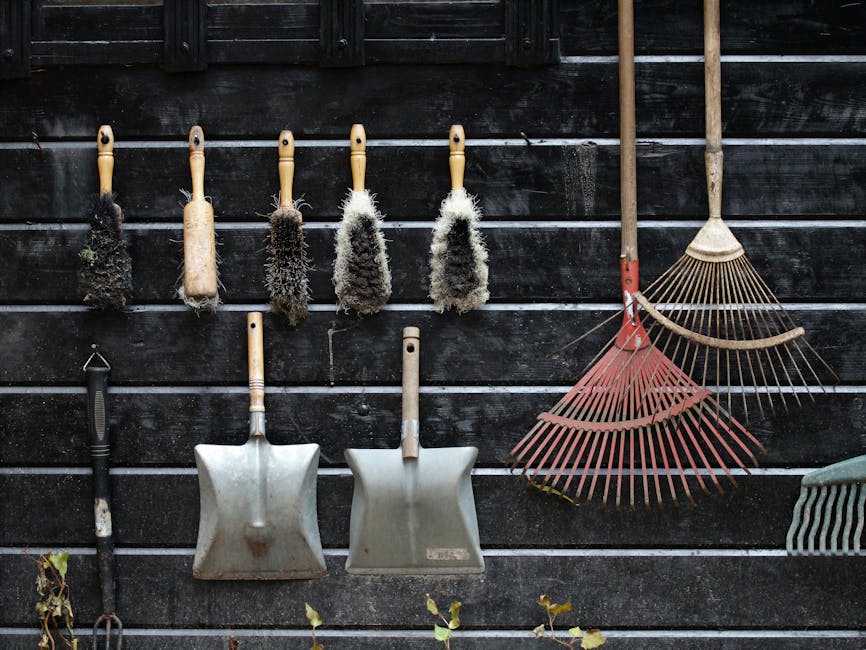
Golders Green NW11 Garden Maintenance Guide for Terraced Homes
If you live in a terraced home in Golders Green NW11, garden upkeep can feel like a small weekly puzzle: narrow access, overlooked corners, neighbour-facing boundaries, and just enough space for mess to build up quickly. This Golders Green NW11 garden maintenance guide for terraced homes is written to help you keep things tidy, healthy, and manageable without turning the garden into a second job. Whether your outside space is a compact rear yard, a strip of lawn, or a slightly awkward split-level garden, the right routine makes all the difference.
Truth be told, terraced gardens are often more demanding than they first appear. They show clutter faster, weeds spread in no time, and one wet week can leave paths slippery and beds looking tired. The good news? A sensible maintenance plan is usually enough. In the sections below, you'll find practical steps, common mistakes, local considerations, and a straightforward way to decide what to do yourself and when to bring in help.
Table of Contents
- Why It Matters
- How It Works
- Key Benefits and Practical Advantages
- Who This Is For and When It Makes Sense
- Step-by-Step Guidance
- Expert Tips for Better Results
- Common Mistakes to Avoid
- Tools, Resources and Recommendations
- Law, Compliance, Standards, or Best Practice
- Options, Methods, or Comparison Table
- Case Study or Real-World Example
- Practical Checklist
- Conclusion
- Frequently Asked Questions
Why Golders Green NW11 garden maintenance guide for terraced homes Matters
A terraced garden in NW11 is usually exposed, compact, and easy to overlook. That sounds harmless until spring growth takes off, patio edges get slippery, and hedges begin spilling over fences. Then suddenly the space looks smaller, feels less usable, and takes longer to bring back under control. Regular maintenance prevents that spiral.
There's also a practical local angle. Golders Green properties often sit close together, so tidy boundaries, sensible pruning, and clean access routes matter more than people think. If your garden backs onto neighbours on both sides, small jobs become visible fast. And let's face it, nobody enjoys receiving a polite but pointed note about overhanging branches or hedge cuttings landing on the wrong side of the fence.
Good maintenance also protects the things that make terraced gardens valuable: usable seating space, light, privacy, drainage, and safe access. A small garden can still feel generous if it is well managed. When it is neglected, even a good layout starts to feel cramped.
For homeowners who want a broader service picture, it can help to look at a dedicated garden maintenance service alongside more specific work such as lawn mowing or hedge trimming.
How Golders Green NW11 garden maintenance guide for terraced homes Works
Garden maintenance is not one job. It is a set of smaller, repeated tasks that keep the space stable and pleasant through the year. In a terraced setting, the workflow usually follows the shape of the garden itself: access first, then structure, then surface care, then seasonal tidy-ups.
In plain English, that means starting with the areas that create the biggest visual and practical problems. For example, if the path is mossy or the beds are full of self-seeded weeds, deal with those before you worry about decorative planting. If the hedge is blocking light or intruding into a neighbour's side return, sort that early too.
Most terraced gardens benefit from a repeating pattern:
- Clear away debris and anything blocking movement.
- Cut back growth that is affecting light, access, or boundaries.
- Remove weeds and tidy planting areas.
- Mow or edge lawn sections where needed.
- Check drainage, pots, and hard surfaces.
- Finish with a quick safety and presentation check.
That may sound simple, and it is. The challenge is consistency. A compact garden can go from neat to messy very quickly, especially in mild wet weather. One overgrown fortnight and you'll know about it.
If your garden is partly hard-landscaped, maintenance may include cleaning, weeding joints, and keeping borders from spilling onto paving. If there is timber decking, it may need separate attention as part of broader decking services or routine surface care. For bigger resets, garden clearance is often the practical first step before regular maintenance can work properly.
Key Benefits and Practical Advantages
Done properly, regular maintenance does more than make a garden look neat. It changes how the space feels and how much effort it takes to keep it that way. That matters in terraced homes, where every square metre has to earn its keep.
- Better day-to-day use: A clear path, trimmed edges, and manageable planting make the space easier to enjoy after work or at weekends.
- More light: In terraces, light is often limited. Controlling hedges and tall growth can make a surprising difference.
- Cleaner boundaries: A tidy hedge or fence line reduces friction with neighbours and keeps the garden visually organised.
- Lower long-term effort: Little and often is easier than a once-a-season rescue mission.
- Safer surfaces: Regular attention to moss, leaves, and uneven growth helps reduce slips and trip hazards.
- Healthier planting: Pruning, feeding, and weeding at the right time gives plants a better chance to thrive.
A well-kept terraced garden also supports resale appeal. Buyers tend to notice whether a space feels easy to maintain. They may not say it out loud, but they absolutely feel it. A garden that looks cared for suggests the rest of the home has been treated with the same attention.
Who This Is For and When It Makes Sense
This guide is for homeowners, landlords, and busy households in Golders Green NW11 who want a garden that stays presentable without constant heavy work. It is especially relevant if your outside space is modest in size, overlooked, or shared by neighbouring views on both sides.
You may need a structured maintenance plan if:
- your garden gets messy quickly after rain or wind
- you have hedges, climbers, or fast-growing shrubs near fences
- the lawn is patchy, damp, or shaded for much of the day
- paths and patios collect moss or leaves
- you want privacy without allowing plants to become unmanageable
- you rent out the property and need the exterior to stay tidy between tenancies
- you simply do not have the time, tools, or enthusiasm to keep up with it all
To be fair, not everyone needs weekly attention. Some terraced homes only need monthly or seasonal care, especially if planting is simple and surfaces are mostly hard-standing. Others need a more regular visit because the garden is narrow, shaded, and enclosed. The key is matching effort to reality, not to wishful thinking.
If you are exploring a fuller property plan, it may be worth reviewing the wider services overview so you can see how maintenance sits alongside other outdoor improvements.
Step-by-Step Guidance
Here is a practical way to manage a terraced garden in NW11 without making it complicated.
1. Start with access and visibility
Before cutting anything, clear the route through the garden. Move bins, tools, pots, and loose furniture. You want to see the shape of the space before you start trimming. This is especially useful in narrow gardens where hidden corners collect debris.
2. Tidy the borders
Remove weeds, fallen leaves, and dead material from beds and edging. In a terraced garden, untidy borders can make the whole space look neglected even if the lawn is fine. A quick hand weed and a light rake often lift the appearance more than people expect.
3. Cut back overgrowth carefully
Trim hedges, climbers, and shrubs that are blocking light, brushing against paths, or crossing boundaries. Keep a sensible shape rather than hacking away at random. If the growth is substantial, it may be safer and neater to use specialist help such as hedge trimming or, where required, tree lopping and removal.
4. Deal with the lawn or ground cover
If there is turf, mow little and often during the growing season. Do not scalp it. Short lawns can look tidy for a day and tired for a month. If the space is too shaded for a good lawn, consider whether a simpler low-maintenance surface might work better in the long run.
5. Check surfaces and drainage
Terraced gardens often have limited drainage, and water can sit on patios or paths after heavy rain. Sweep away standing debris, clear gutters if they affect the garden edge, and watch for moss or algae. Early action is easier than trying to rescue a slippery surface in November.
6. Finish with a neat reset
Bag up waste, stack tools away, straighten pots, and do a quick visual check from the house. That final two-minute look matters. It catches the odd snag that the hands-on work misses. Funny how often that happens.
If the garden has become cluttered, patchy, or difficult to manage, a one-off garden clearance can reset the space before regular visits take over.
Expert Tips for Better Results
Small gardens reward discipline. Not glamour. Not dramatic makeover energy. Just steady, sensible care.
Keep a simple seasonal rhythm. In spring, focus on growth and feeding. In summer, keep on top of mowing, watering, and trimming. In autumn, prioritise leaf fall, clearing, and preparing surfaces for wetter weather. Winter is the time for inspection and light pruning rather than aggressive cutting.
Work from the edges inward. That helps you avoid making the garden look messier before it looks better. It also stops you stepping repeatedly over freshly tidied areas. A small thing, but it saves time.
Use fewer plant types in tight spaces. Terraced gardens often look calmer when planting is simple. A handful of well-chosen shrubs usually beats a crowded mix that needs constant fussing.
Think in layers. A tidy fence line, controlled shrubs, manageable lawn, and clean hard surface create a stronger result than obsessing over one detail. The garden reads as neat from the house and from the neighbour's window too.
Don't ignore the awkward bits. Side returns, narrow passages, and bin-store corners are usually where problems begin. A little attention there prevents the whole garden from feeling scruffy.
One more thing: if you are balancing garden care with a busy home, aim for a routine you can actually keep. A perfect system that collapses after two weeks is not much use, is it?
Common Mistakes to Avoid
Most garden problems in terraced homes come from overdoing one thing and neglecting another. Easy to do, honestly.
- Cutting too much at once: Heavy pruning can leave plants stressed, bare, or oddly shaped.
- Leaving waste in piles: Cuttings trap moisture and create a damp, untidy look quickly.
- Ignoring shared boundaries: Anything touching fences or walls becomes a neighbour issue faster than expected.
- Using the wrong mowing height: Too short and the lawn weakens; too long and it turns patchy and tired-looking.
- Letting moss and algae linger: On small patios, one slippery patch can affect the whole feel of the space.
- Overcrowding pots and beds: More plants do not always mean more beauty. Sometimes it just means more watering and more deadheading.
- Waiting for a "proper" free weekend: That magical day often never arrives. A short regular slot works better.
Another common one? Assuming the garden will "sort itself out once spring comes." It won't. Spring growth usually magnifies whatever is already there. If it was messy in February, it will be busier in May.
Tools, Resources and Recommendations
You do not need a van full of equipment to maintain a terraced garden. In fact, too many tools can make a small space harder to work in. A lean setup is usually better.
| Task | Useful tool or approach | Why it helps in terraced gardens |
|---|---|---|
| Weeding borders | Hand fork, trowel, bucket | Lets you work carefully in tight beds without disturbing everything else |
| Mowing small lawns | Light mower or electric mower | Easy to manoeuvre through narrow access and around edges |
| Hedge maintenance | Hedge trimmer or professional trimming | Creates a neat line without taking up much time |
| Leaf clearing | Rake, broom, garden sacks | Stops wet leaves from turning paths into a slip risk |
| Surface care | Stiff brush, gentle cleaner, water | Keeps patios and paving from looking tired and stained |
| Large seasonal resets | Professional clearance or maintenance visit | Useful when the garden has got away from you a bit |
For many terraced homes, the best option is not buying more kit. It is choosing the right level of service. A regular maintenance visit may be enough for one home, while another might need a mix of mowing, trimming, and occasional landscape work. If you are comparing options, the practical route is usually to look at pricing and quotes alongside the actual scope of work.
If you care about how the garden waste is handled, it is also worth understanding a provider's recycling and sustainability approach. That matters more than people often realise, especially after larger clearances.
Law, Compliance, Standards, or Best Practice
For home garden care, the main thing is usually sensible best practice rather than complicated legal detail. Still, a few points are worth keeping in mind.
First, if branches, hedges, or roots affect boundaries, access, or a neighbour's side, handle them carefully and politely. Good neighbour relations are part of proper garden maintenance. Not glamorous, but very real.
Second, if you are dealing with larger trees or significant overgrowth, it is wise to check whether the work is suitable for DIY. Tree work can involve height, falling material, and hidden hazards. For that reason, specialist support such as tree lopping and removal is often the safer route for substantial jobs.
Third, any contractor working on your property should operate with sensible safety procedures, clear communication, and suitable insurance. If you are evaluating providers, pages like health and safety policy and insurance and safety are useful trust signals because they show the business takes risk seriously.
Finally, if you ever have questions about how a service is delivered, payment handled, or what is covered, it is always worth checking the provider's written terms and conditions. Clear terms reduce misunderstandings later. Simple, but helpful.
Options, Methods, or Comparison Table
Terraced homeowners in Golders Green NW11 usually choose one of three maintenance styles. Each has its place.
| Approach | Best for | Pros | Trade-offs |
|---|---|---|---|
| DIY routine care | Small, simple gardens with light growth | Low cost, flexible timing, hands-on control | Takes time, needs tools, easy to fall behind |
| Occasional one-off help | Gardens that need periodic resets | Good for seasonal work and catch-up jobs | Problems can return if follow-up is inconsistent |
| Regular maintenance service | Busy households, shaded plots, heavier growth | Stable appearance, less stress, better consistency | Ongoing cost and the need to schedule visits |
There is no universal "best" option. The right choice depends on how fast the garden changes and how much effort you want to spend. If your garden only needs ten minutes a week, DIY is probably fine. If it needs a rescue every six weeks, a structured service usually makes more sense. That's just being honest.
Case Study or Real-World Example
Here's a realistic example from a typical terraced property, the kind of garden that looks straightforward until you stand in it with a rake and a mug of tea going cold on the step.
A small rear garden had a narrow strip of lawn, two overgrown shrubs near the fence, a patio with weeds in the joints, and a side passage that had become a dumping spot for fallen leaves and old pots. Nothing dramatic, just a space that slowly stopped being useful.
The first visit focused on clearing the access route, removing debris, and cutting back growth that was stealing light from the main seating area. After that, the lawn was levelled and mown, the patio edges were brushed clean, and the beds were thinned out so the planting looked intentional instead of crowded. The biggest difference, interestingly, was not the lawn. It was the sense of space once the side area was cleared.
On the next round of visits, the work became simpler: regular mowing, quick edging, seasonal pruning, and a short tidy-up of the hard surfaces. The garden didn't need to be reinvented. It just needed a rhythm.
That is usually the case with terraced homes. Once the structure is under control, maintenance becomes much easier. Less drama. Better result.
Practical Checklist
Use this checklist to keep your Golders Green NW11 terraced garden in good shape through the year.
- Clear paths, steps, and access points first
- Remove weeds from borders and paving joints
- Trim hedges and shrubs before they spill into walkways
- Mow the lawn at a sensible height, not too short
- Rake leaves before they go wet and slimy
- Check for moss, algae, and slippery patches
- Water containers and newly planted areas as needed
- Deadhead flowers and remove tired growth
- Inspect fence lines, edging, and overhanging branches
- Bag waste and leave the garden reset, not half-finished
Quick summary: if you can keep the edges clean, the growth controlled, and the surfaces safe, a terraced garden will usually look good without needing constant attention. The small jobs matter most. Really, they do.
Conclusion
A well-kept terraced garden in Golders Green NW11 does not need to be complicated. It needs a workable routine, a bit of seasonal awareness, and a willingness to deal with the small jobs before they become big ones. That is the whole game. Keep access clear, prune thoughtfully, manage lawns and surfaces, and stay on top of waste and boundaries.
For many homeowners, the best results come from mixing simple regular tasks with occasional professional help for heavier work. That way, the garden stays usable rather than becoming a project you keep postponing. And once it feels manageable, it becomes enjoyable again. Quiet, useful, and yours.
Get a free quote today and see how much you can save.
When your garden starts working with your home instead of against it, you notice. The whole place feels lighter, somehow.
Frequently Asked Questions
How often should a terraced garden in Golders Green NW11 be maintained?
For most terraced homes, a light weekly or fortnightly routine works well during the growing season, with deeper seasonal tidy-ups every few months. Gardens with heavier shade, fast-growing hedges, or lots of paved areas may need attention more often.
What is the main challenge with terraced home gardens?
The biggest challenge is usually space. Narrow access, close boundaries, and limited storage mean clutter builds up quickly and small issues become visible fast. Regular maintenance keeps the space usable and stops tasks from piling up.
Can I maintain a terraced garden myself?
Yes, if the space is simple and you have time, basic tools, and the right level of confidence. DIY is fine for mowing, weeding, and light pruning. For larger clearances, tall hedges, or awkward access, professional help may be the safer choice.
What jobs should be done most often?
Weeding, mowing, leaf clearance, and quick checks of paths and borders are usually the most frequent jobs. In terraced gardens, these small tasks keep the space looking tidy without demanding a full-day session.
How do I make a small garden look bigger?
Keep the edges neat, avoid overcrowding, and trim anything that blocks light or sightlines. Clean paving, simple planting, and clear access routes all help a compact garden feel more open. It's a visual trick, but an effective one.
Is hedge trimming important in terraced homes?
Yes, very much so. Hedges can quickly block light, encroach on walkways, and affect neighbours if they are not kept under control. Regular trimming keeps boundaries tidy and reduces the chance of the garden feeling boxed in.
What should I do if the garden has become overgrown?
Start with a clearance approach rather than trying to do everything at once. Remove debris, cut back problem growth, and reset the main areas before moving into regular maintenance. If needed, a full garden clearance can make the job far easier.
Are patios and paths part of garden maintenance?
They should be. In small gardens, hard surfaces are a major part of how the space looks and feels. Sweeping, weed removal, and moss control make a big difference to safety and presentation.
When is the best time of year to start maintenance?
Spring is a natural time to reset the garden, but honestly, any season is better than leaving it. Autumn is also important because leaf fall and damp weather can quickly create maintenance problems in terraced spaces.
Do I need professional help for tree work?
If the work involves larger branches, height, or anything risky near walls and fences, yes, professional help is usually wise. Small pruning may be manageable, but larger tree work is best handled with care and proper equipment.
How do I choose between one-off and regular maintenance?
Choose regular maintenance if the garden quickly gets out of hand or if you want a consistently neat look. One-off work is better for occasional catch-up jobs or seasonal resets. The right answer depends on how fast your garden changes and how much time you have.
What should I ask before booking a service?
Ask what tasks are included, how waste is handled, whether the team is insured, and how payment works. If you want a better sense of value, looking at pricing and quotes can help you compare options more confidently.
Can maintenance improve privacy in a terraced home?
Yes. Controlled planting and well-shaped hedges can provide privacy without making the garden feel heavy or overgrown. The trick is to keep a balance between screening and light.
What if I only have a tiny yard?
Then maintenance matters even more. In a tiny yard, every corner is visible, so clutter, weeds, and untidy edges stand out immediately. A simple routine, kept up consistently, usually works better than any elaborate plan.
There's no need to turn the garden into a constant project. Keep it steady, keep it simple, and it will look after you in return.