Gardeners Golders Green estates guide for Hampstead Garden Suburb
If you manage, live in, or care for a garden in Hampstead Garden Suburb, you already know it is not quite the same as looking after a typical city plot. The planting can be mature, the boundaries can be fussy, the pace of upkeep often needs to fit around residents, and the overall look matters a great deal. This Gardeners Golders Green estates guide for Hampstead Garden Suburb is here to help you make sensible decisions, avoid expensive mistakes, and keep outdoor spaces looking calm, well-kept, and in character with the area.
Truth be told, estate gardens and communal grounds can go downhill quietly. A hedge gets a bit too wide, a lawn thins out, a few leaves linger after a wet week, and suddenly the whole place looks less cared for. The good news? With the right approach, the work is manageable. Below, you will find a practical, human guide to what matters, how the process usually works, and which services tend to make the biggest difference.
For a broader overview of what a local team can typically handle, it can help to start with the services overview, then come back here and map those services against the specific needs of Hampstead Garden Suburb estates.
Table of Contents
- Why this guide matters
- How the gardening approach works
- Key benefits and practical advantages
- Who this is for and when it makes sense
- Step-by-step guidance
- Expert tips for better results
- Common mistakes to avoid
- Tools, resources and recommendations
- Law, compliance, standards, or best practice
- Options, methods, or comparison table
- Case study or real-world example
- Practical checklist
- Conclusion
- Frequently asked questions
Why Gardeners Golders Green estates guide for Hampstead Garden Suburb Matters
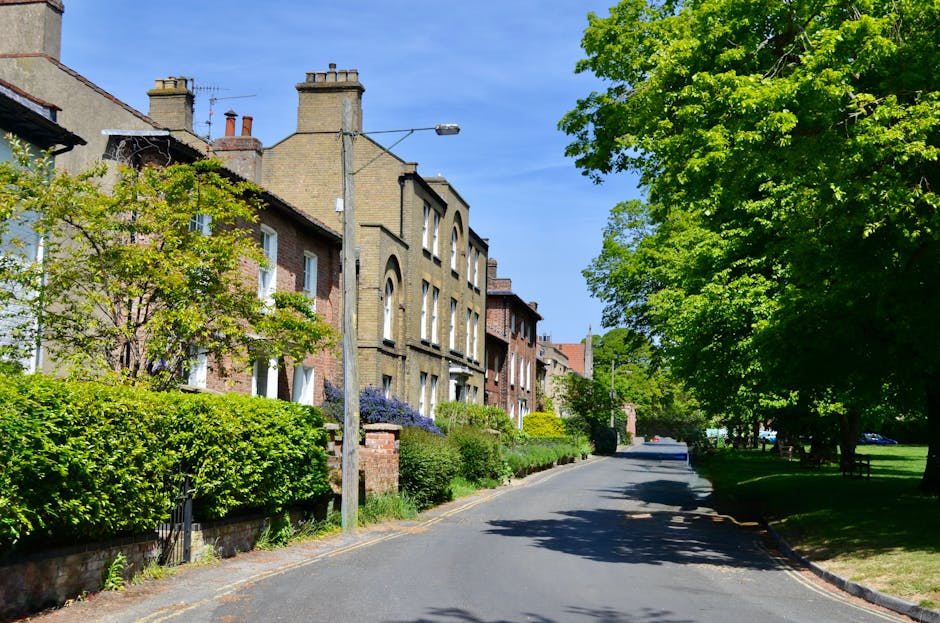
Hampstead Garden Suburb has a very particular feel. The streets are leafy, the planting often sits close to homes and walkways, and the visual standard is usually high. That means routine gardening is not just about cutting things back or sweeping up leaves. It is about preserving the character of the place while keeping it safe, tidy, and practical for residents, visitors, and property managers.
Estate gardens in this part of North London often involve shared spaces, access paths, front borders, hedging, tree growth, and planting that has been developing for years. A one-size-fits-all approach tends to fall flat. Let's face it, a lawn can look fine from the road but still be struggling underneath. A hedge can appear neat from a distance while secretly blocking light, squeezing a path, or stressing the planting around it. These little issues add up.
This matters even more for estates and managed grounds because small problems are rarely isolated. One neglected border can affect drainage, one overgrown tree can shade several beds, and one missed clearance can become a larger seasonal job. That is why local, consistent care matters. Regular maintenance is often more useful than occasional dramatic intervention.
For managers and homeowners alike, this also helps with presentation. First impressions are powerful. A well-kept communal garden does not shout for attention, but it quietly lifts everything around it. You notice the difference when you arrive on a damp March morning or a bright summer evening; the place simply feels looked after.
If you are weighing up whether to handle it yourself or bring in help, the strongest signal is usually time. Not just the time to do the job, but the time to do it properly, and then return for the next round. A steady maintenance rhythm is often what keeps estate grounds in good shape.
How Gardeners Golders Green estates guide for Hampstead Garden Suburb Works
At its simplest, the process is about matching the right service to the right part of the garden. That sounds obvious, but in practice it means a lot: lawn care has different needs from hedge work, tree management is a separate question from clearance, and landscaping decisions should support the long-term use of the space rather than just this week's appearance.
Most good estate gardening plans begin with a walk-through. You look at access points, soil condition, shade, drainage, plant health, and how the space is actually used. Where do people walk? Which areas get scuffed up? Where does water sit after rain? Which hedges are screening views, and which are blocking too much light? Those small observations guide the whole plan.
Then comes the practical schedule. For example:
- Lawn mowing keeps communal grass areas presentable and helps prevent the "scruffy but not yet urgent" stage that can last far too long if nobody owns the task.
- Hedge trimming controls shape, density, and boundary lines, which matters in estate settings where a neat edge changes the whole feel of the property.
- Garden maintenance covers the recurring jobs that keep everything ticking over, from weeding and pruning to tidying and seasonal resets.
- Garden clearance is useful when growth has been left too long, or when an area needs a reset after a tenancy change, renovation, or seasonal build-up.
- Tree lopping and removal may be needed where branches are unsafe, overextended, or simply too dominant for the space.
Sometimes the work is one-off. More often, it is ongoing. Estates usually benefit from a repeat schedule because it avoids the boom-and-bust cycle of neglect followed by a big clean-up. That is rarely the cheapest option over time, even if it looks that way at the start.
Where there are hard surfaces, seating areas, or access routes, landscaping can also play a role. Small changes to layout, edging, or planting structure can make maintenance easier and improve how people move through the space. It does not need to be flashy. In fact, understated usually works better here.
Key Benefits and Practical Advantages
The biggest benefit is consistency. Estate grounds that are maintained regularly tend to look calmer, safer, and more intentional. That is good for residents, good for visitors, and good for the long-term condition of the garden itself.
Here are the main advantages in plain English:
- Better presentation: A tidy lawn, crisp hedge line, and well-kept border instantly improve the overall impression.
- Improved safety: Clear paths, controlled growth, and sensible tree management reduce the risk of trip hazards and blocked sightlines.
- Healthier planting: Regular pruning, weeding, and seasonal care support stronger growth and fewer avoidable problems.
- Less reactive spending: Routine work usually costs less in the long run than emergency clearance and heavy corrective jobs.
- Better resident experience: People enjoy using a space that feels orderly, open, and pleasant to walk through.
- More efficient upkeep: A garden that is managed steadily is easier to maintain, which is a small but very real win.
There is also a subtle but important benefit: confidence. When an estate is visibly cared for, people trust the management a little more. That may sound soft, but it matters. In neighbourhoods where appearance and heritage feel important, the garden becomes part of the property's reputation.
If sustainability is on your mind, you may also want to look at recycling and sustainability. A thoughtful approach to green waste, plant material, and disposal choices helps reduce unnecessary waste and keeps the work aligned with modern expectations.
Practical summary: For Hampstead Garden Suburb estates, the real value is not just a neat cut or a quick tidy. It is a system that keeps shared outdoor space attractive, usable, and easier to manage month after month.
Who This Is For and When It Makes Sense
This guide is useful for a few different people, and the needs are not identical.
Estate managers often need reliable, repeatable maintenance that keeps communal areas presentable without causing disruption. They usually care about scheduling, consistency, insurance, and clear communication.
Residents and homeowners may need help where the garden is too large, too busy, or simply too demanding to manage properly on their own. If you have ever looked at a long hedge in late summer and thought, "Not this weekend, surely," you are not alone.
Landlords and property owners may need a tidy presentation before new occupants arrive, after a changeover, or after a period of neglect. This is where garden clearance and maintenance can make a fast, visible difference.
Letting agents and block managers often want work that is low-friction and dependable. The garden should just be handled, quietly and properly, with minimal fuss.
Community groups and trustees may be balancing budgets, shared responsibility, and different opinions about what the garden should look like. In that case, simple, evidence-based choices are best. A clear maintenance plan beats endless debate.
It makes sense to bring in professional support when:
- the garden has outgrown regular DIY upkeep
- shared areas need a consistent standard
- trees, hedges, or access routes are becoming awkward
- the site needs a reset before maintenance can begin properly
- you want a long-term plan rather than one-off patchwork fixes
For larger overgrowth or neglected plots, garden clearance is often the sensible first move before any detailed maintenance begins. If you try to maintain a badly overgrown space without clearing it first, you can spend ages fighting the same problems over and over. Nobody enjoys that, honestly.
Step-by-Step Guidance
Here is a straightforward way to approach estate gardening in Hampstead Garden Suburb without making the process more complicated than it needs to be.
- Assess the site honestly. Walk the grounds and note what is urgent, what is seasonal, and what is simply becoming untidy. Look at grass condition, hedge shape, tree canopy, drainage, and access paths.
- Separate routine work from corrective work. Routine work is things like mowing, edging, pruning, and weeding. Corrective work is clearance, reshaping, or more substantial landscaping changes.
- Prioritise safety and access. Any blocked path, low branch, unstable edge, or hidden trip risk should move up the list. That is not overcautious; it is sensible.
- Build a realistic schedule. Weekly, fortnightly, or seasonal plans all have their place. The right frequency depends on the growth rate, the amount of use, and the standard you want to keep.
- Use the right service for the job. Hedge work should not be treated like lawn care, and lawn care should not be treated like tree management. Each job needs a slightly different approach.
- Check the finish from the user's point of view. Stand where residents walk. Look from the entrance. Look from a window. Does the space feel balanced and cared for?
- Review and refine. After one or two visits, adjust the plan. Gardens are living systems, after all. They do not read schedules.
A useful way to think about it is this: the best estate garden is not the one that looks perfect for one afternoon. It is the one that still looks good two weeks later. That is the real test.
If the space includes seating, steps, or decorative timber features, decking services may also be relevant. Decking can improve usability, but only when it is matched carefully to the rest of the garden. A neat deck next to a tired border can feel unfinished; a balanced approach works much better.
Expert Tips for Better Results
Good gardening is often about restraint. Not every problem needs a dramatic intervention. In fact, overdoing it is a common mistake.
Here are a few practical tips that tend to make a real difference:
- Trim hedges before they become a problem. Once a hedge starts to dominate a walkway or shade a bed heavily, the job gets bigger and less tidy. Regular trimming keeps shape and density manageable.
- Mow with the season in mind. Grass growth changes through the year. The rhythm should follow the weather, not just the calendar.
- Watch how water behaves. After a wet spell, notice where puddles sit and which borders stay soggy. That often tells you more than a quick glance ever will.
- Keep the garden edges sharp. Clean edges around lawns and borders can make even a modest space look much more cared for.
- Don't ignore tree canopies. A branch that seems harmless today may be causing slow shade, root competition, or future risk.
- Use maintenance to prevent drama. Small, regular visits are usually more effective than occasional big push jobs. That sounds boring, I know. But it works.
One of the best habits is to keep a simple seasonal note. Nothing fancy. Just what was cut, what was left alone, and what needs attention next time. It saves time later and stops things from slipping through the cracks.
Where work involves public access or busy shared areas, it is also wise to think about scheduling. A quieter time of day often makes the site easier to work on and less disruptive for residents. That small consideration goes a long way.
Common Mistakes to Avoid
Most garden problems in estate settings do not start with one big mistake. They start with several small ones that nobody quite owns.
The most common issues are:
- Waiting too long between visits. Growth gets ahead of you, and then the job becomes reactive rather than routine.
- Treating every area the same. Sunny borders, shaded lawns, and mature hedging all need different care.
- Cutting too hard in one go. Heavy reduction can stress plants and leave the garden looking severe.
- Ignoring access routes. A beautiful border is less useful if the path beside it is awkward or overgrown.
- Skipping waste planning. If clippings and debris are not handled properly, the site can end up looking tidy for ten minutes and messy again by tea-time.
- Doing clearance without a follow-up plan. Clearing is only half the job. Maintenance keeps it from coming back to square one.
Another mistake is assuming all gardening decisions should be visible from day one. Sometimes the best result comes from a slower, layered approach. You clear, you tidy, you observe, and then you refine. A bit less exciting, perhaps, but much better in the long run.
And yes, there is always that one hedge that seems to grow back out of spite.
Tools, Resources and Recommendations
You do not need a shed full of specialist kit to manage an estate garden well, but the right tools do make the work cleaner and safer.
Commonly useful tools and equipment include:
- reliable mowers for regular lawn maintenance
- hedge trimmers for shaping and boundary control
- secateurs and pruning tools for detailed plant care
- rakes and blowers for seasonal leaf and debris collection
- wheelbarrows or collection bags for moving green waste efficiently
- basic protective equipment, including gloves and suitable footwear
For larger or more complex sites, it helps to have a clear service plan rather than just a pile of tools. A simple recommendation is to decide what needs weekly attention, what needs monthly review, and what only needs seasonal intervention. That structure keeps the garden from becoming a guessing game.
If you are comparing services, lawn mowing, hedge trimming, and garden maintenance are usually the most practical starting points for estate grounds. These are the jobs that keep the whole property feeling controlled rather than chaotic.
If the site has mature trees or branches that are encroaching on roofs, paths, or neighbouring space, tree lopping and removal may need to be considered with care. That kind of work should be planned properly, especially where access or safety is involved.
For reassurance on standards and working arrangements, it is sensible to review pages such as health and safety policy, insurance and safety, and payment and security. Those pages help set expectations around how work is handled and how the service is managed.
Law, Compliance, Standards, or Best Practice
For estate gardening in Hampstead Garden Suburb, the most important thing is not to overstate certainty. Specific legal duties can vary depending on ownership, property type, tree status, access arrangements, and the nature of the work being carried out. If there are protected trees, shared boundaries, or access agreements, those details matter.
As a general matter, good practice usually means:
- working safely and avoiding hazards for residents and visitors
- handling waste responsibly and keeping the site clean after work
- being careful with trees, especially where ownership or permission may matter
- respecting neighbours and shared spaces during noisy or disruptive tasks
- keeping communication clear so everyone knows what is being done and why
Where estate teams are involved, it is also sensible to work with providers who have clear policies and procedures. Pages such as complaints procedure, terms and conditions, privacy policy, and accessibility statement can be useful for understanding how a company handles customer care, communication, and service expectations.
One practical note: where trees or larger structural changes are involved, always slow down and check the full situation before acting. A quick cut can sometimes create a bigger issue later. Better to pause than to rush. Nobody thanks you for a shortcut that turns into a headache.
Options, Methods, or Comparison Table
There is no single best approach for every estate garden. The right choice depends on how the space is used, how quickly it grows, and how much attention it needs.
| Approach | Best for | Strengths | Limitations |
|---|---|---|---|
| Routine maintenance | Shared gardens, frontages, and managed grounds | Keeps the space consistently neat, predictable, and easier to budget for | Needs regular visits and a steady schedule |
| One-off clearance | Overgrown plots, neglected areas, post-changeover resets | Creates a clean starting point and removes immediate clutter | Does not maintain the result on its own |
| Targeted pruning and hedge work | Boundaries, screening, and dense planting | Improves shape, light, and access without disturbing the whole site | Needs judgement to avoid overcutting |
| Landscaping improvements | Areas that feel awkward, tired, or difficult to manage | Can improve both appearance and future maintenance efficiency | Usually needs planning and a clearer brief |
In many real situations, the best answer is a mix of these. Clear first, maintain next, improve later if needed. That sequence keeps things practical and avoids expensive overreach.
Case Study or Real-World Example
Imagine a small estate-style courtyard in Hampstead Garden Suburb. Nothing dramatic. A lawn area, some mature shrubs, a hedge line near the entrance, and a few shaded borders that have not had much attention since spring.
At first glance, it does not look terrible. But then you notice the path is narrowing, the hedge is leaning into the walk, the grass has gone patchy near the shadier side, and leaf build-up has started to sit in one corner. A resident mentions that visitors sometimes miss the entrance because the planting has become a little too heavy. Classic case. Not broken, just drifting.
The sensible response would be to start with light clearance and tidying, then move into regular maintenance. The hedge would be trimmed to open up the access line. The lawn would be mown and edged to sharpen the whole look. The borders would be checked for dead material and crowded growth. If any larger branches were creating shade or risk, those would be assessed separately rather than bundled into the same job.
Over the next few visits, the garden would become easier to keep in order. The path would feel clearer. The planting would read as intentional rather than unruly. And, perhaps most importantly, the site team would stop firefighting every time the weather changed. That is the real gain.
It is a small example, but very typical. You do not always need a redesign. Sometimes you just need the right sequence of work and a bit of consistency.
Practical Checklist
Use this checklist when planning garden work for an estate or shared grounds in Hampstead Garden Suburb:
- Have you walked the site and noted the urgent issues?
- Do you know which areas are communal, private, or access-critical?
- Are lawns, hedges, and borders treated as separate tasks?
- Is there a plan for green waste and post-job tidying?
- Have you checked whether trees or larger growth need separate attention?
- Is there a repeat schedule, or is everything happening ad hoc?
- Have you considered resident disruption, noise, and timing?
- Does the plan include both clearance and maintenance where needed?
- Have you reviewed the provider's approach to safety and insurance?
- Is there a realistic way to monitor progress after the first visit?
Expert summary: Good estate gardening is mostly about order, timing, and judgement. The right work done at the right pace will usually beat a dramatic one-off tidy-up that has no follow-through.
If you are ready to talk through the condition of a site, the next step is simple. A short conversation can save a lot of guesswork, and that often means a better result from the start.
Get a free quote today and see how much you can save.
Conclusion
A well-managed estate garden in Hampstead Garden Suburb should feel calm, settled, and appropriate to its setting. It does not need to be over-designed. It does need care, timing, and a plan that matches the reality of the space.
If you take anything from this guide, let it be this: keep the work steady, keep the scope clear, and do not wait until everything has become a bigger job than it needed to be. That one habit alone saves time, stress, and money. And yes, it makes the whole place feel better to live around.
Gardens in this part of London respond well to thoughtful attention. They always have. A little consistency goes a long way, and that is reassuring, really.
Frequently Asked Questions
What does a garden maintenance service usually include for estate grounds?
It usually includes recurring jobs such as mowing, hedge trimming, pruning, weeding, tidying, and general upkeep. The exact mix depends on the site, the season, and how much attention the garden needs.
How often should an estate garden in Hampstead Garden Suburb be maintained?
That depends on growth rate and use. Some spaces benefit from weekly or fortnightly attention, while others only need seasonal visits. The right frequency is the one that prevents the site from slipping into catch-up mode.
Is garden clearance the same as garden maintenance?
No. Garden clearance is usually a reset job for overgrown or neglected areas, while maintenance is the ongoing work that keeps the space in good condition after that first clean-up.
Do I need hedge trimming every time the garden is serviced?
Not always. Hedges usually need trimming on a separate schedule from lawn care. In busy estate settings, though, they often form part of the broader maintenance plan.
What should I do if the garden has become badly overgrown?
Start with a clear assessment and consider garden clearance before routine maintenance begins. That gives you a cleaner base to work from and usually makes future upkeep easier.
Can landscaping help make an estate garden easier to manage?
Yes. Good landscaping can improve access, define edges, and reduce awkward problem areas. It is not just about appearance; it can make ongoing care much simpler too.
What are the biggest risks in estate garden work?
The main risks are poor access, unsafe growth, overcutting plants, and neglecting waste or cleanup. In larger or shared spaces, communication and timing matter just as much as the gardening itself.
How do I know whether a tree needs attention?
If a tree is shading too heavily, overhanging paths, growing too close to buildings, or looks structurally awkward, it is worth getting it assessed. Tree work should be handled carefully and separately from lighter garden tasks.
What if residents want different things from the garden?
That is very common. The easiest way through it is to agree on the practical priorities first: safety, access, upkeep, and the overall look. Once those are clear, the finer design choices are much easier to settle.
Are regular maintenance visits better than one-off visits?
For most estate gardens, yes. Regular visits prevent growth from getting out of hand and usually produce a more stable, attractive result over time. One-off visits can help, but they do not maintain themselves.
Should I worry about safety and insurance when hiring gardeners?
Yes, you should at least ask about it. It is sensible to review the provider's insurance and safety information and understand how they manage work on site.
How can I compare different gardening options fairly?
Compare what each option solves, how often it needs to happen, and whether it helps the site long term. A slightly more considered plan is usually better than choosing the cheapest quick fix.
Where can I find more information about the company's approach?
You can review the about us page, the services overview, and the company's policies on safety, sustainability, and payments. That gives you a fuller picture before you decide.